Museums beyond museums
Galleries, windows and exhibition physical spaces

In 2024 I decided to participate in a workshop called “Museums beyond museums” revolving on the concept of museum spaces.
So - what makes a museum a museum?
One way would be to analyze the ICOM definition written in 2022, which states
“A museum is a not-for-profit, permanent institution in the service of society that researches, collects, conserves, interprets and exhibits tangible and intangible heritage. Open to the public, accessible and inclusive, museums foster diversity and sustainability. They operate and communicate ethically, professionally and with the participation of communities, offering varied experiences for education, enjoyment, reflection and knowledge sharing.”
For those who do not know me, I am a (1) very curious person and (2) I like to connect dots on various subjects - even the ones which could seem unrelated.
I therefore will analyse four case studies of physical exhibition spaces that I believe could resonate with the “museum beyond museums” concept + one case study that I read about but do not think apply to the selection.
Piccolo Museo - Cubo Garutti
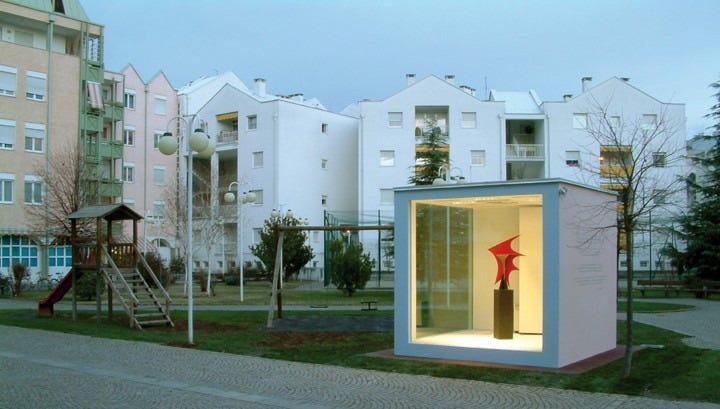
The small pavilion less than 5 meters wide has been realized in 2003 by the late artist Alberto Garutti (1948 - 2023) and conceived on the occasion of the project Arte sul territorio curated by Museion – Museo d’arte moderna e contemporanea di Bolzano.
Placed near a children’s playground in Don Bosco neightboorhood in Bozen, it is used as a window for small exhibitions feauturing artwork from Museion’s collection.1
For the 20th anniversary of the project, Museion hosted an exhibition about the project of the Cube and its significance in the city, as well as other collateral events.2
Hypha studios
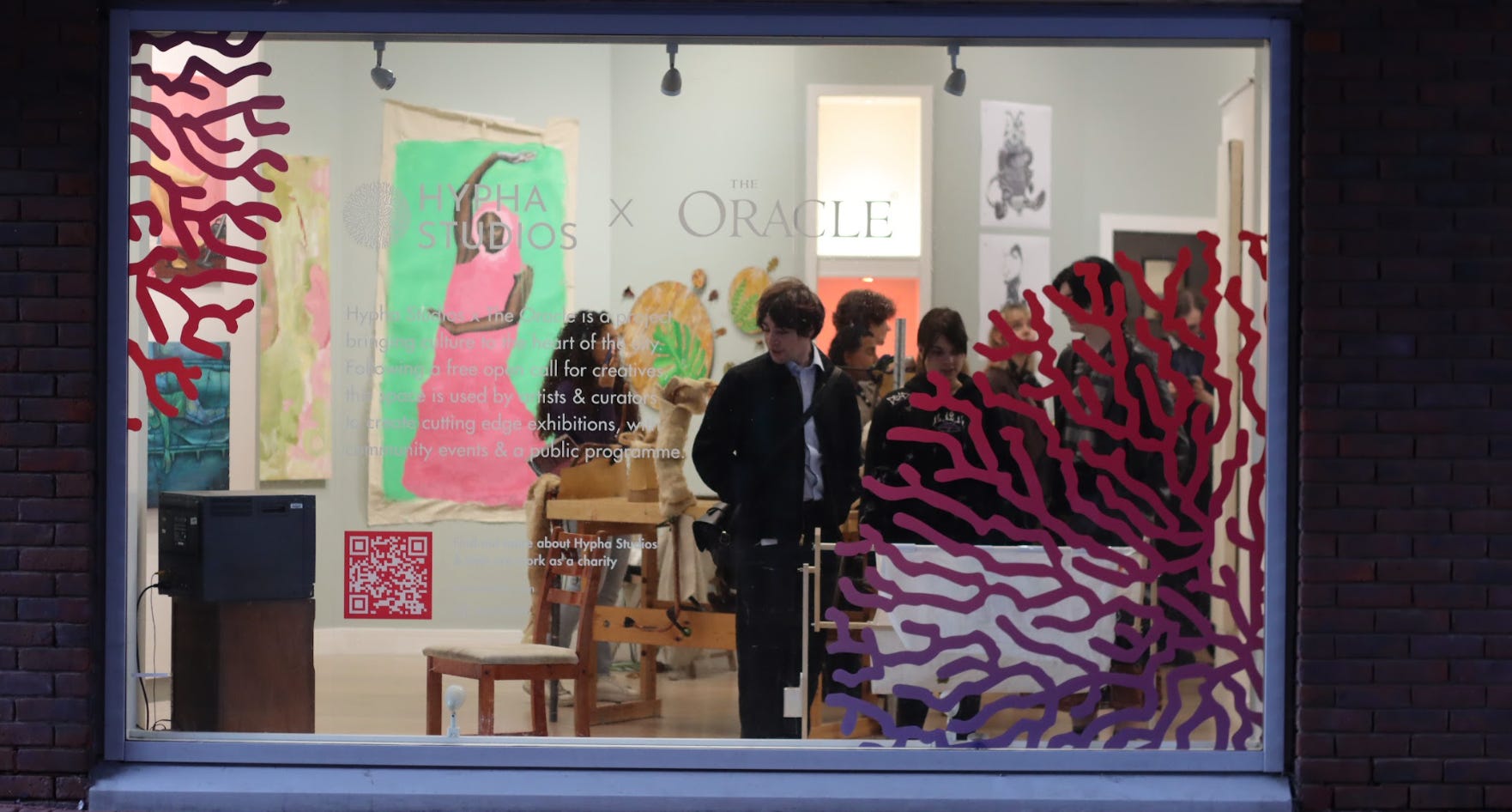
As Tabish Khan writes in Spaghetti Boost Magazine : Finding places to exhibit your work is becoming harder as galleries facing the same pressures often prioritise commercially viable works, or worse are forced to close. 3
With a name resembling a fungus as a metaphor for symbiothic relationships, Hypha Studios acts as a matchmaker between landlords and creatives in the UK. What it takes is just completing a form about ones creative process and needs on one of the open calls on the website or a Speculative proposal for later selections.
Microgalleries
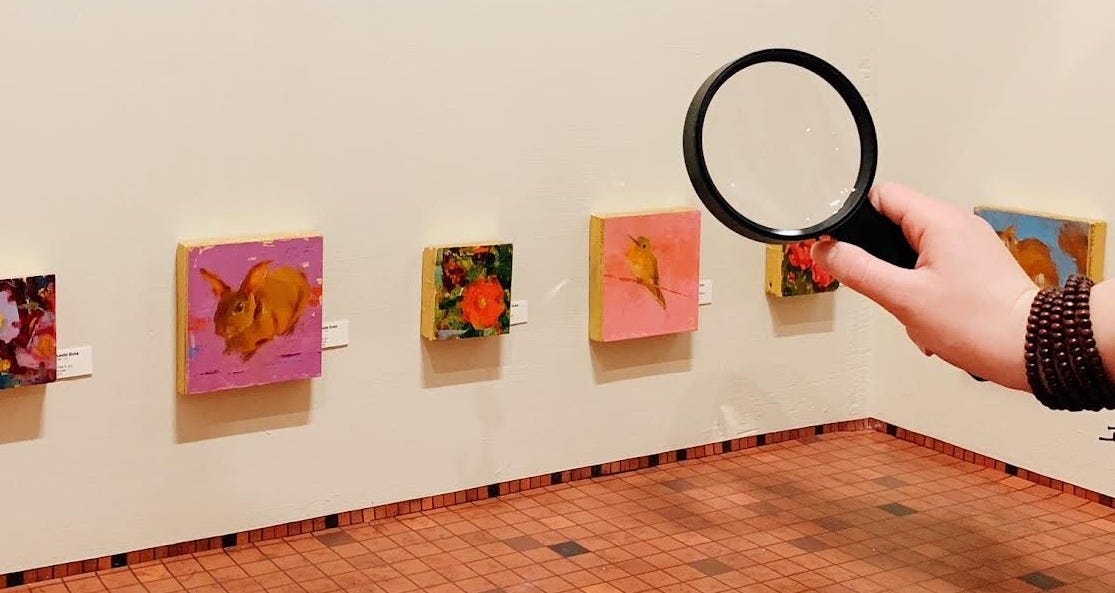
Microgalleries give a curious and innovative twist to normal galleries or exhibition spaces. Using roughly the same space of a letterbox, they use it to showcase art, exchange pieces and organise art crawls events.4
Jeff Bleiber, on the University Record, writes about the start of the Creal Microgallery project, which is located in Joe Levickas’s front yard: a 40x25x30 cm case with interior lights to showcase artworks every minute of the day. “I started exploring existing microgalleries, and there are quite a few of them around the world,” he said. “There’s a real community that appreciates each other.”5 The community I believe he is talking about is the Guild of Microgalleries, founded by Lisa Cole to create a community of tiny galleries.6
In Utah, on the other hand, exists Tiny Art Show, which installs miniatures in unique spaces since 2018. The project started in 2016 when student McKay Lenker Bayer was tasked with exibiting her art. “Insecure about her work, she decided to showcase her miniature paintings a few centimeters off the ground with minuscule labels.“7 Recently she started renting a blocked off staircase space, and renovated it in a permanent gallery space with an exhibition every month.8
Frida by Lai Yu Tong
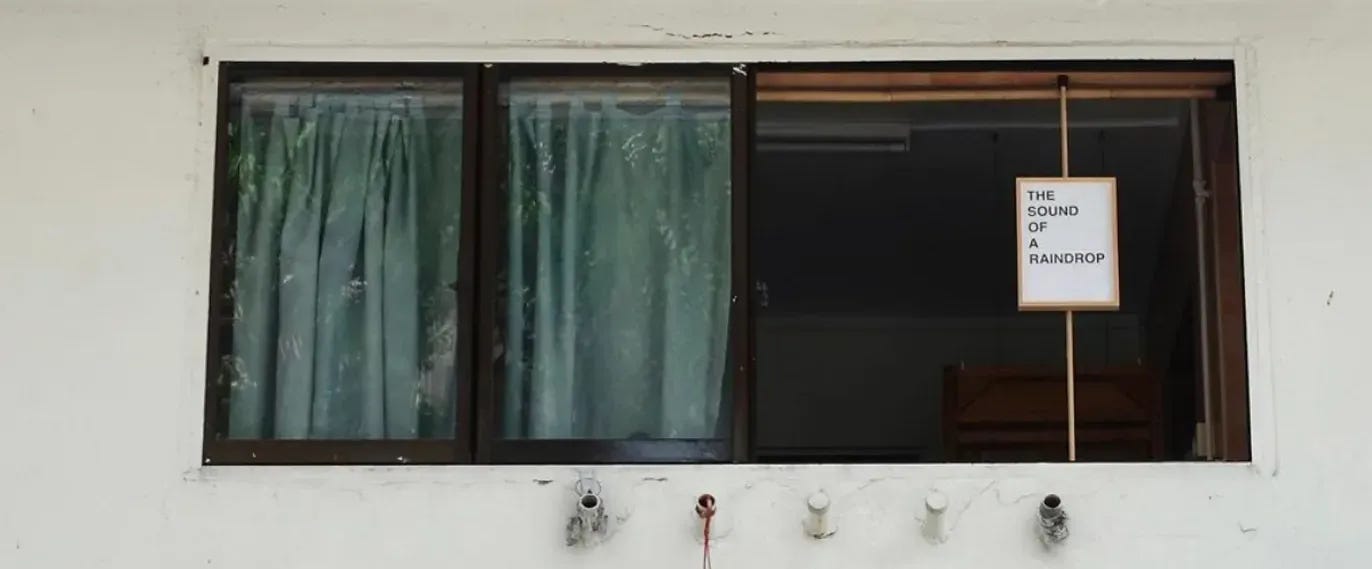
Frida is an exhibition platform by Lai Yu Tong’s kitchen window in Singapore.9
The project started in 2023, and has collaborated with a number of artists during these years. Consisting in a wood picture frame of roughly the dimension of an A4 paper, it is visible from the street.
The project even moved to YPC SPACE in Seoul between December 2023 and January 2024, showcasing its iconic exhibition system from a 3rd story window.
In 2022 - with Ryan Lim Zi Yi and Kwok Jia Yang - he held a mini-art show in a camping tent. Robin tent was open all night, giving visitors the opportunity to see video works by various artists.10
GA.PP
Around the time I was selecting the material for this essay, I came across an article from Artribune which stated something like “The smallest galley of the world. Interviews of the creatives behind the project”11.
The main case study for this piece? Too good to be true.
The project, born in 2021, is (1) a 55x45 frame (2) inside the creators home’s living room (3) only on appointment (of course).
The main reason I would not put this project in the same basket of the other four is the limited community engagement. To be able to see what is on display in that moment at Ga.pp, you would already need to know the project and followed them on Instagram - not including the tedious ping pong of dms necessary to schedule. In contrast, you could easily find Frida or the other three case studies gallivanting.
I think five is good number for a selection of case studies, and I cannot wait to read your thoughts. Should I have included some other project? What do you think of the ones I picked?
Let’s continue talking in the comments :)
If you liked this piece of writing please consider reading the others I published here on Substack, other than subscribing.
If you did not, please tell me your point of view.
Until next time,
A
Links and resources